

You see it everywhere: the subtle boast of a perfect “sleep score” on Instagram, the shared TikToks about ADHD “executive dysfunction,” the dark humor memes that decode the experience of living with PCOS or chronic pain. This isn't just internet noise; this is where health literacy is being actively negotiated, debated, and assimilated by millions. Many digital health brands and patient education initiatives, still rooted in clinical didacticism, often sound entirely tone-deaf when they step into these vibrant, often ironic, online communities. Their patient experience claims ring hollow because they are not matching the actual lived language of the touchpoint.
The generic answer to this disconnect is usually to “create more engaging content” or “be where your audience is.” But simply showing up on TikTok with a pre-approved script and a branded filter will only amplify the problem. It highlights the chasm between a brand's earnest, but often sterile, message and the raw, emotionally resonant, and sometimes irreverent reality of how people truly talk about their health. The stakes are higher than just engagement; they involve building genuine trust and belonging in a world saturated with information, much of it contradictory.
The Cultural Currency of Shared Health
Consider the GLP-1 discourse alone. Beyond the clinical trials and the headlines, there's a sprawling, meme-driven conversation around “Ozempic face,” the psychological quiet of “food noise” suddenly gone, and the strange, new relationship with cravings. These aren't just jokes; they are cultural touchstones, shared experiences that build a collective understanding far faster and more intimately than any formal patient brochure. The humor, the self-deprecation, the moments of stark vulnerability, they all serve as a form of social learning, a shorthand for complex emotional and physiological shifts.
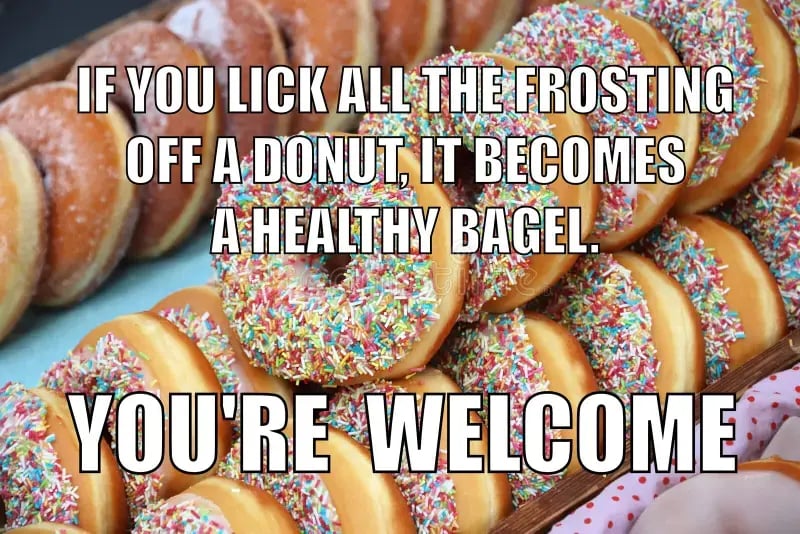
This isn't limited to new medications. Communities form around diabetes, autoimmune conditions, mental health struggles. A meme that perfectly captures the frustrating cycle of an invisible illness, or the absurd hoops of insurance approval, can validate a patient's experience in a way a doctor's visit or a support group might not. It says, “You are not alone in this very specific, often isolating, struggle.” When health becomes a meme, it enters the public imagination with an intimacy no ad can buy.
When health becomes a meme, it enters the public imagination with an intimacy no ad can buy.
The Brand Disconnect
The problem arises when health brands approach these spaces with a purely informational mindset. Traditional patient education, by design, is a one-way street of instruction. It prioritizes data over empathy, clinical accuracy over cultural fluency. When brands then try to force this didactic approach into a highly social, peer-driven environment, they create content that feels alien and inauthentic. They might check all the brand safety boxes, but they fail the relevance test.
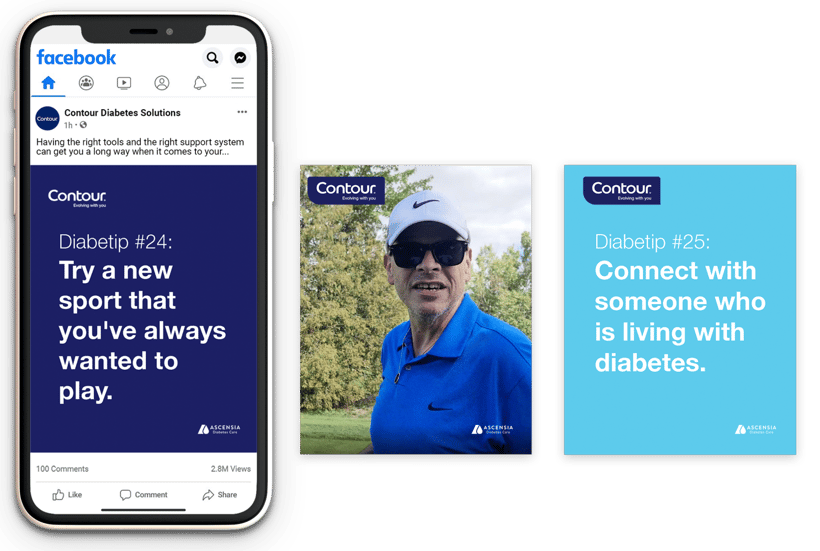
This failure to speak the native language of online patient culture leads to several critical gaps:
- Missing the in-jokes
- Sounding out of touch
- Ignoring peer wisdom
- Failing emotional connection
It means brands are not truly integrating into where patients actually are, and therefore, their promises about patient experience are not delivered in the most crucial cultural touchpoints.
Moving from Instruction to Connection
This isn't about teaching your marketing team to make memes. It's about a deeper understanding of audience truths, the specific emotional and cultural tensions that shape how people experience and discuss their health. It demands building a brand platform that encodes for this kind of cultural fluency, allowing a brand to participate in, rather than merely observe, these vital conversations.
This is where our Brand Intelligence platform becomes essential. By encoding the unique brand voice, story, and nuanced understanding of these cultural currents, it allows content to be generated at scale that feels native, not generic. For instance, in week one of engaging with a brand's challenge, we map the existing cultural discourse and meme language relevant to their condition or product category, identifying authentic narrative entry points, not just keywords.
This approach moves beyond simply pushing information; it cultivates an emotional resonance that builds trust and fosters adherence. It allows a pharmaceutical brand focusing on a rare disease, for example, to create messaging that acknowledges the shared, often unspoken, burdens of its community with a knowing nod, rather than a sterile recitation of facts. It’s about being a genuine part of the culture, not just marketing at it. This creates distinctive assets not just visually or verbally, but tonally and experientially, making the brand instantly recognizable as one that understands.
The Real Bet for Health Brands
The future of patient education isn't in fact sheets, however well-designed; it's in the shared narratives, the humor, and the collective understanding forged in digital communities. Brands that learn to speak this language with genuine empathy and cultural literacy will earn a place in conversations where true trust is built and sustained. They will move beyond merely informing patients to truly connecting with people, and that is a far more powerful path to category leadership and enduring relevance.